Engineering & technology00
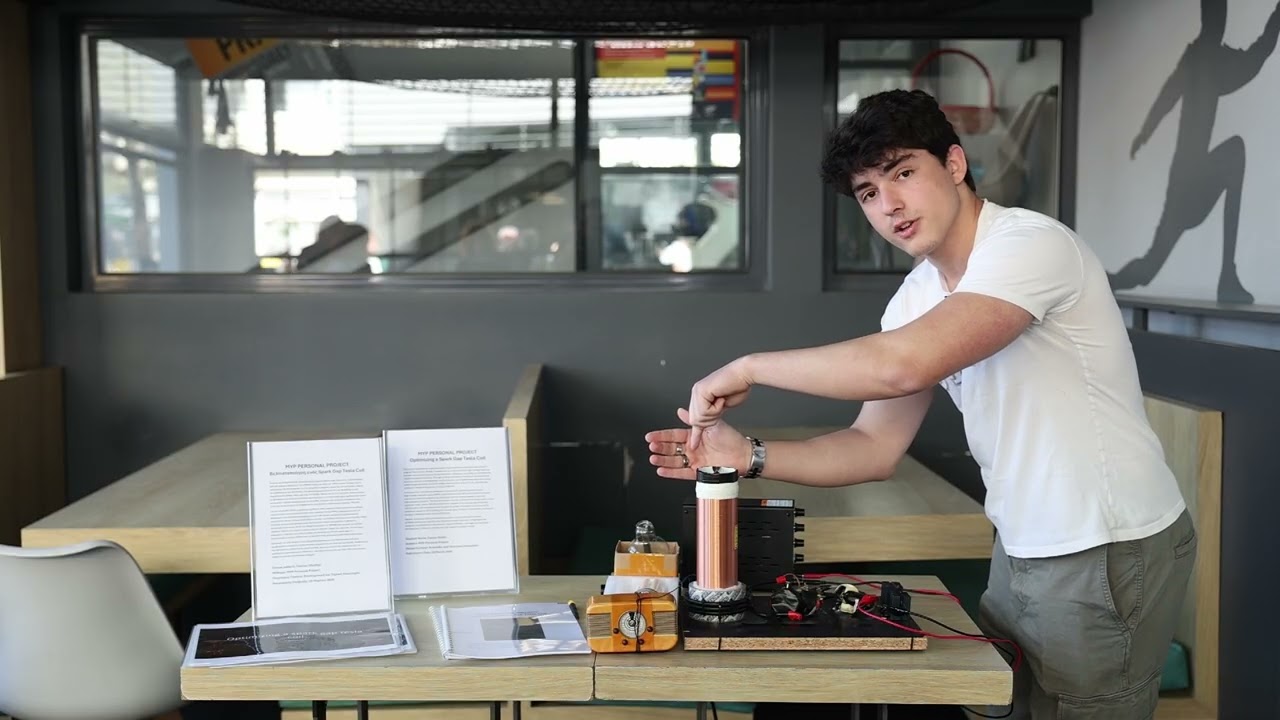
Optimizing a Spark Gap Tesla Coil
My MYP Personal Project: investigating and improving a spark-gap Tesla coil through research, prototypes, testing, and revision.
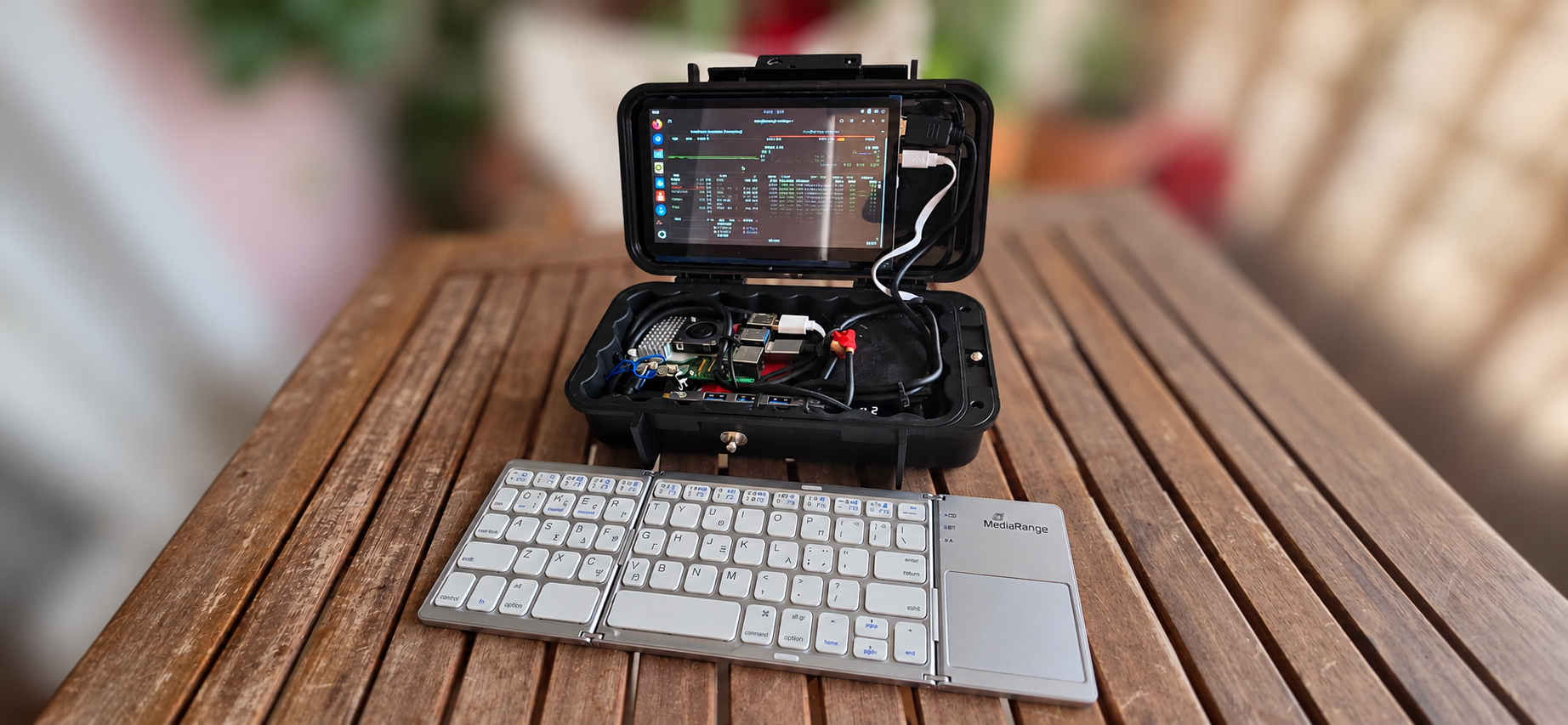
A rugged, self-contained portable workstation built from a Raspberry Pi 5, salvaged storage, and a 7" display to maintain study continuity.
Built from a Raspberry Pi 5, a decased 2.5" SSD, a 7" display, and a rugged shell case running Ubuntu to keep up with schoolwork when my laptop died.
01 / The question
When my main laptop broke down beyond repair in the middle of the school year, I needed an immediate way to keep studying and completing assignments. Rather than waiting for a replacement, I gathered spare components and parts available at home and engineered a fully functional, self-contained mini laptop from scratch inside a protective hard case.
It served as my daily school computer until I was able to transition to a permanent machine.
03 / Iteration
Powered by a Raspberry Pi 5 single-board computer fitted with an active heatsink and fan to sustain performance under sustained workloads.
I salvaged a used internal 2.5" SSD and removed its outer casing, stripping it down to the board so it could fit into the compact lower tray of the shell case alongside the wiring and ports.
A 7-inch screen is mounted securely into the lid of the hard case, connected internally for video and power.
I configured Ubuntu, providing a reliable desktop and terminal environment for daily school research, coursework, and system monitoring.
Paired with an external folding keyboard with an integrated trackpad, and exposed USB ports for quick peripheral connections on the go.
07 / Looking ahead
This project was a test of resourcefulness and rapid prototyping under a real constraint. Stripping down hardware, managing tight internal dimensions, routing cables, and configuring a stable Linux environment delivered a practical machine when I needed it most — turning a sudden setback into a hands-on hardware engineering exercise.
My MYP Personal Project: investigating and improving a spark-gap Tesla coil through research, prototypes, testing, and revision.
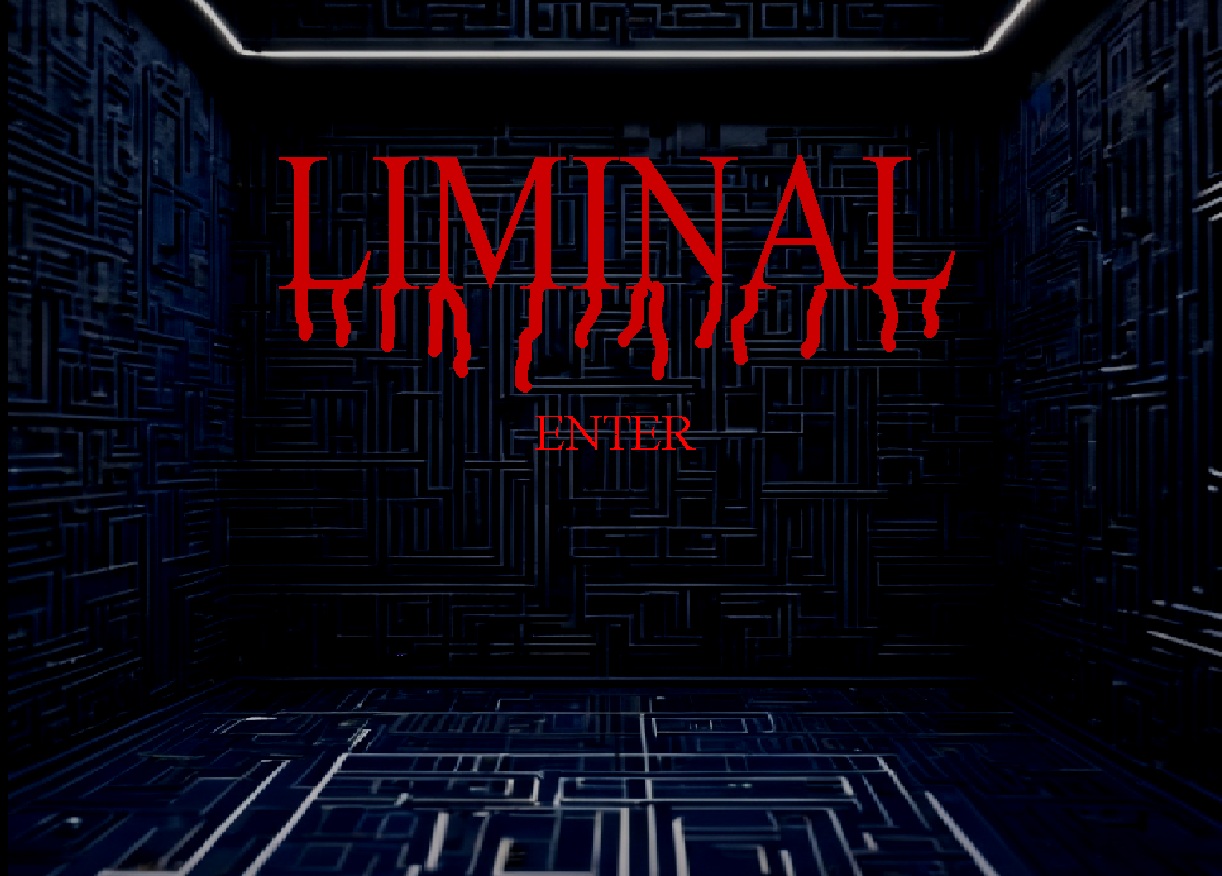
An atmospheric game that opens in a dark, maze-patterned room. Free to play online in your browser.
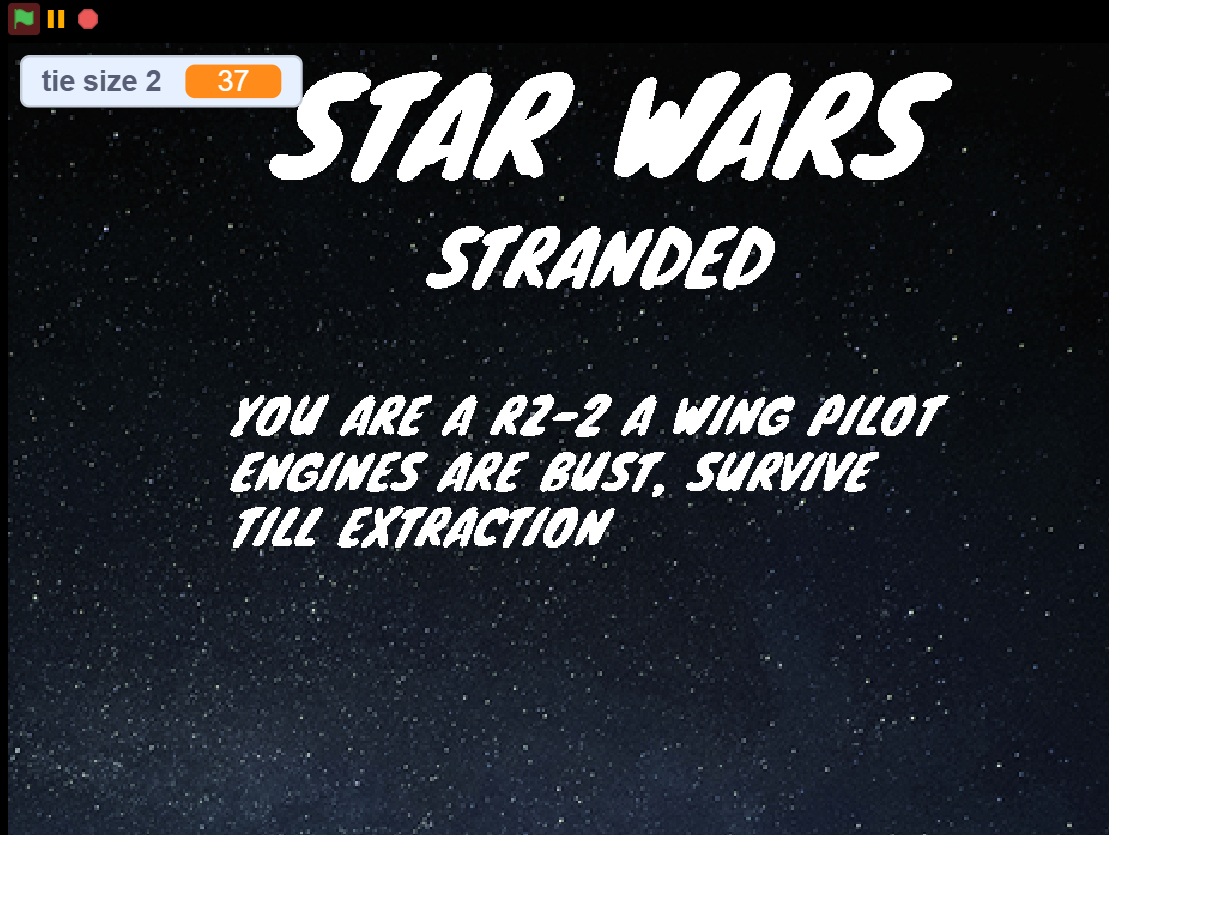
A space survival game — you are an RZ-2 A-wing pilot with busted engines, surviving until extraction.